Interview with Jon Flakes, 2026
This work is licensed under CC BY-NC 4.0


You may adapt, copy, and redistribute this material in any medium or format for noncommercial purposes, but you must credit the contributor(s) and Cementland Archive, include the above license information, and indicate if changes were made.

NO ALTERATION
02.02.26; 10.15.26
Phonecall
Edited by Danya Gerasimova
.JPG)
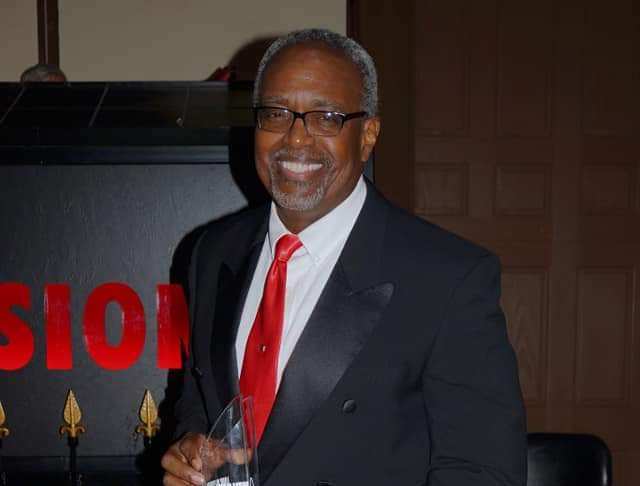
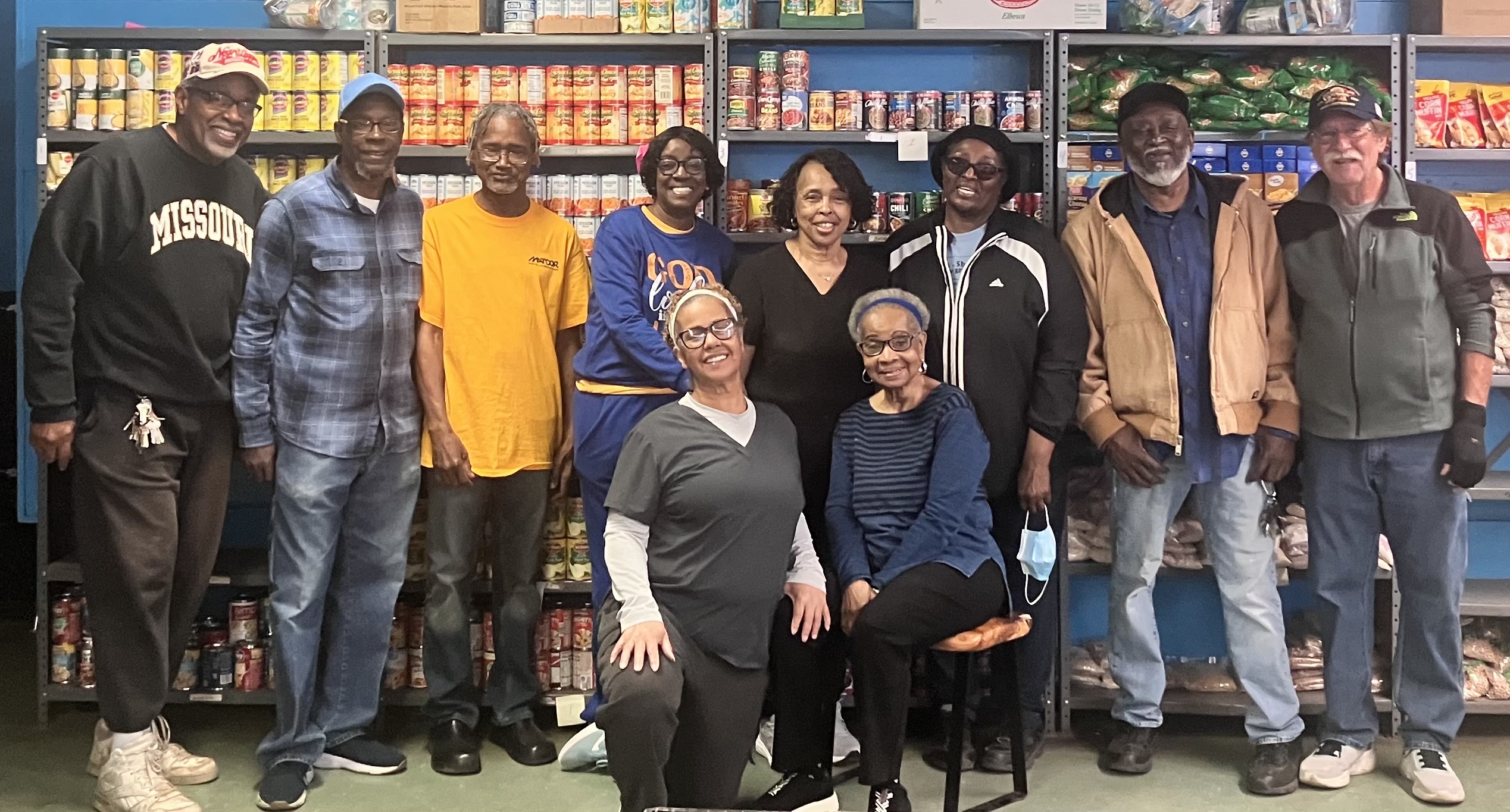
Jon Flakes is the Vice President of the Zion Travelers Community Involvement Association in Riverview, MO. He has led a food pantry program serving neighborhoods near Cementland and the wider North County area for 20+ years.
Danya Gerasimova:
Could you begin by sharing a little bit about yourself and the Zion Travelers Community Association?
Jon Flakes:
My name is Jon Flakes, and I am one of the deacons at Zion Travelers Missionary Baptist Church. I joined the church in the year of 2004. The [Zion Travelers Community Involvement Association] 501(c)(3) was established in 1996, I think, due to a vision that the pastor Rev. Dr. Linden Bowie had years ago for what he wanted the church to look like. I was in a position of looking for a church home, and God led me to Rev. Bowie.
Pastor Bowie had a vision: he didn't want the church to be [directly] involved with ministries that were community related. He wanted the church to be just about the church, just about preaching and serving God. So he established an outreach ministry called the Community Involvement Association, or CIA [as a 501(c)(3) non-profit organization]. When my wife and I decided to join, I said, “Listen, you guys got an organization called the CIA. I wanna be part of that.”
And for real, it was something I needed. I have a unique story, just like many people do. I injured myself as a young kid, and I had to get surgeries when I was 14. I had to lay up in a body cast for 15 months. And I had so much help from family, from friends, from school. As I got older, I had some more surgeries. I ended up with about 10 surgeries as a result of that injury, and people helped me. So when I got to that point where we were looking for a church home, I was feeling guilty that I wasn't giving back. When I came in, they were already part of the St. Louis Area Foodbank with the Commodity Supplemental Food Program, which was a program for seniors. So I started with that. And about a year later, we bought the church that we're located at now at 351 Chambers Road [in Riverview].
Danya Gerasimova:
Got it, thank you for sharing that. Did you grow up in that area?
Jon Flakes:
My childhood was in a place called Pruitt and Igoe. It’s part of history now, for some good reasons and some negative reasons like the spraying of chemical agents on the people down there. At the time, we didn't know that's what was going on. But many that grew up down there did die from skin cancer or some other form of cancer. But my dad was a very intelligent man and a man of the street, you know, as far as he had common sense, common street knowledge. And he was a very protective and very, very family oriented man. So he got us out of there in 1967–68, and we moved to North City in the area called Walnut Park.
Redlining and all these other systematic things directed the African American community out into that area. I've watched the neighborhood change from a predominantly white neighborhood where we used to get chased home. As the whites began to move out, then we began to outnumber them, and then we started chasing them home—you know, not me in particular. And then as time went on, Blacks started chasing each other home, and then later on it became a place where it was Black on Black crime. We were out of there by that time, but I lived to see it transform. So when I got out of there, I moved out to Florissant in North St. Louis County, where things are pretty good. And then eventually, we got our parents to move out, because the neighborhood changed to where we didn't know anybody there. And the people that came in didn't have respect for anybody that was there, because they didn't know the folks that were there either. I’ve been in Florissant for almost 30 years now.
Danya Gerasimova:
When your church moved to Riverview, was that neighborhood undergoing white flight as well?
Jon Flakes:
It has mostly taken place. At one time, it was predominantly white, but by the time our church purchased the old St. Catherine Catholic Church, most of the whites had already left. But the neighborhood hadn't yet seen some of the devastation it is going through now. Doing the food pantry work for 20 years, I have seen the evolution of a neighborhood changing for the worse for a second time. And that happens when resources are pulled out. You have no recreation; there's no real park close by. And then you redline low income people over into that area. The Riverview Gardens High School had lost its accreditation at one time. They did get it back, but when you lose it in the first place, it says something about the direction, the responsibility of those that are supposed to be in charge, and maybe the types of programs that they were running over there. So [the neighborhood] has declined a great deal. And on top of that, it loses its mayor for unscrupulous things. And now they don't even have a police department to respond unless it's a 911 call. And that's just horrific.
Danya Gerasimova:
In what ways have the changes you’ve seen take place in Walnut Park and Riverview been similar or different?
Jon Flakes:
The similarities would be that it is systematic. I didn’t know that as a young child at the time, but as I reflect back I start finding a bit more history. [When we moved to Walnut Park,] we left the [Pruitt-Igoe] projects. Initially, [the Pruitt-Igoe plan] was for two things: to address the military people that were coming back to the St. Louis area and did not have adequate housing, and to start the integration of whites and Blacks. I think it was doomed from the start because of the racial divide in this state of Missouri. There was already animosity between the two ethnic groups, and it didn't take long before the whites started moving out. They didn't just move out, but as first time homebuyers, they were subsidized for their first homes. Those were programs that the Black people didn't know anything about. That same opportunity wasn't afforded to African Americans.
Then you had more African Americans moving in [to Pruitt-Igoe]. There used to be an interview portion of even getting down there; you had to be vetted. That began to be lifted. The money that the government had allocated for the [Pruitt-Igoe] plan began to dry up, so money wasn't being spent to upkeep the buildings. So it slowly deteriorated to the point they had to use demolition to bring all of the 33 buildings down.
That same kind of thing took place in Walnut Park. We moved out there in ‘67 or ‘68, when it was 90% white. And if they stayed still, then nobody else could move in. But because of the racial divide that continues not just in Missouri, but across this nation, they began to move out. And the systematic part comes in when African Americans are looking for homes, and they all get redlined to the same area. Homes out in Clayton or Ladue isn't shown to them. They're directed to where the system wants you to be. So they started sending some of those people from Pruitt and Igoe out to North County. The more of them came, the more whites left. The more whites left, the more African Americans came.
And then you start taking out resources; the community centers start shutting down. They start shutting down even in the projects. They started shutting down Gamble, Capri, Tandy, DeSoto—all those community centers. And this is where we’d go and play. You had a place to take a lot of that frustration and energy, and use it in a positive way.
Danya Gerasimova:
Thank you. Could you tell me more about the services that the CIA and Zion Travelers provide to the neighborhood today?
Jon Flakes:
The CIA is under the umbrella of the church, but with different ministries. The food pantry was one of the ministries. Utility assistance was part of the CIA. We've done clothes distribution. We've done some job placement. All of that under the CIA.
The food pantry happened to be the most sustaining of all of those. We've gone from servicing maybe 35 to 55 families a month to well over 20,000 people annually.
Danya Gerasimova:
Oh wow!
Jon Flakes:
They started [the food pantry] in 2004. St. Catherine was the church that we purchased [in Riverview in 2005], and part of that property was a school building. That’s where [the food pantry] operates out of. [The Society of] St. Vincent de Paul was operating out of it as well. They already had a food pantry established, and they had been in the neighborhood for 40 years. They showed us how to become a part of the St. Louis Area Foodbank, and we joined. About eight months later, St. Vincent de Paul decided to leave Riverview Gardens, and they were going to combine with some other facilities in other parts of the county. They left everything to us, and we jumped in with both feet.
We joined the [St. Louis Area Foodbank] system, which allowed us to purchase food at $.10 a pound. So we could get 2,000 pounds of food for 200 bucks. And at that time, the church was providing the funding. I was the one that went out and picked up the food. I became the president of the pantry in 2006. God knew that my heart was in it. He blessed it tremendously over a period of time. And it took a while, because I was kind of doing it by myself, because people were working. This type of work requires you to be available in the daytime, because the Foodbank’s dock where we pick up the food closed at 2:30 PM at that time.
My daughter was only in second grade; my wife was working full-time, and I was on disability. I needed help, and eventually it came. We were new, but I established a very good rapport with the people at the Foodbank. Eventually, we were able to get into some of the [partnership] programs that the Foodbank offered. Maybe about 5 years in, I started getting people that were able to come in and help. So we grew. It went from three pallets [of food from the Foodbank] to ten pallets, and it went from maybe 3,000–4,000 pounds of food once a month to 12,000 pounds of food once a month.
Danya Gerasimova:
Does the CIA serve just the Riverview community or a larger North County area?
Jon Flakes:
Again, one of the great things about being a member of the St. Louis Area Foodbank is that they offer a variety of community serving programs. One of those was being registered as a USDA food pantry. By becoming a USDA food pantry, we have access to a program called TEFAP, The Emergency Food Program. A regular food pantry don't have that. So as a USDA, we are certified to serve all of St. Louis North County. That includes many zip codes: 63136, ‘35, ‘37, ‘38. So our outreach extends to all of North County.
That's another reason why we've grown. In those 20 years that I mentioned, we've moved over 5,000,000 pounds of food. We were able to get anywhere from 3,000 to 9,000 pounds of food once a month just from USDA, not including the food that we purchase or that we have access to free at the Foodbank. And in 2019, we joined with Operation Food Search, which is the sister organization of the St. Louis Area Foodbank. They do the same things, and they also have a program that allows you to go to grocery stores, which enhanced the amount of food that we were able to get. So then, we were able to help other food pantries. So when we talk about the tentacles of our outreach, they go further than we actually know. Because some of the pantries we help don't keep records like we have to. I know we are servicing about 7,000 people [directly], and I'm sure the other pantries combined are doing at least the same. So I can approximate about 20,000 people or so annually.
Danya Gerasimova:
That's a huge reach! Can you talk a little bit about your partnership with A Red Circle?
Jon Flakes:
[The founder of A Red Circle] Dr. Erica Williams is a lovely person. Their program was similar to ours in that they knew the communities were being underserved nutritionally, economically, socially, and spiritually. I can't tell you exactly how she found Rev. Bowie, but she did. And then he sent her to me.
She wanted to start a community garden, because that is one of the items of deficiency in our communities. We had the property for her to do that, and she had the people. Her folks got the greenhouses set up on our property that we let them use at no charge to them. I think she gives a little love donation monthly. And they started growing the vegetables right there in the community. So in the spring, right around May, they join us on the last Saturday of the month distribution.
They set up their tents, and they give out free vegetables. And they have other partners related to them that come, and they may have something else that's not growing in the garden: could be honey, some soap that someone makes. And they also offer those things to the community. Things that the community is not receiving on a regular basis.
You've got major resources that've been extracted from those communities, like a good chain of grocery stores. You may have one, but getting to it is a problem because people don't have the transportation. The liquor stores is plentiful, but grocery stores aren’t. And if they are there, they don't have the fresh vegetables the neighborhood needs. So Erica fills that void as much as she can, and we try to take care of the rest.
Danya Gerasimova:
Do you help maintain the garden too?
Jon Flakes:
She has her own crew. We've given her the key, and she can come and go as she please.
And they do come religiously, and they come on time, and they take care of that garden like you're supposed to be taken care of. And by spring, the vegetables are ready to be harvested.
Danya Gerasimova:
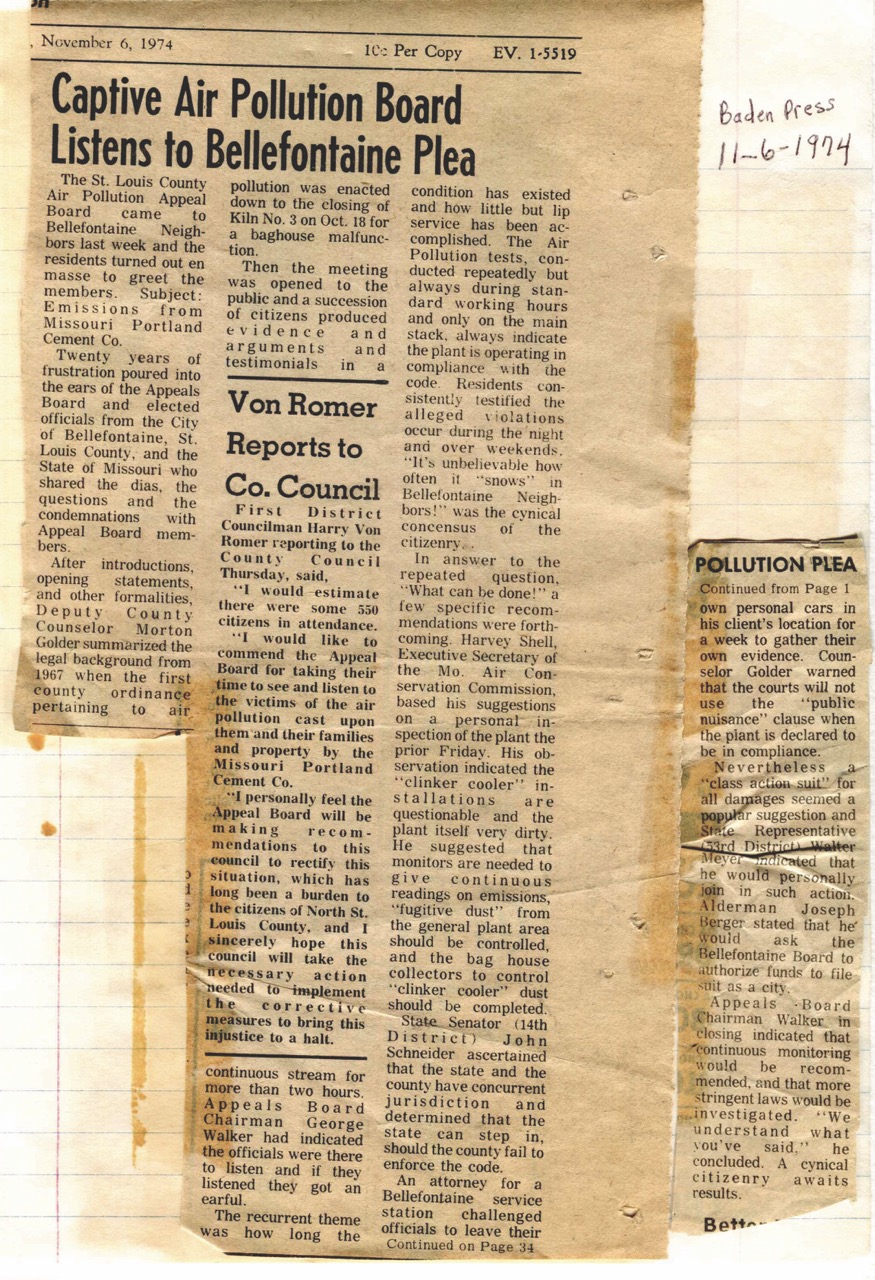
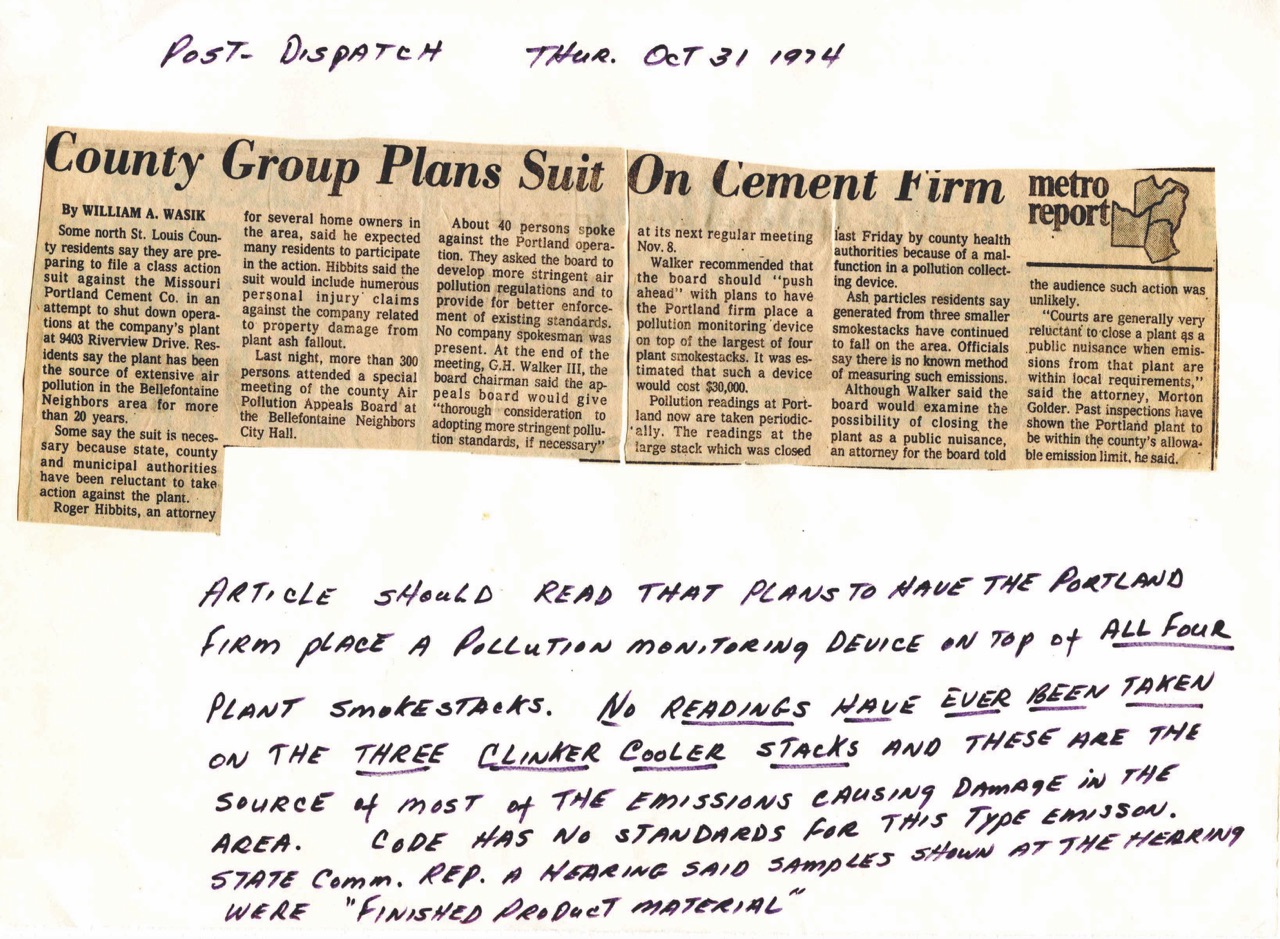
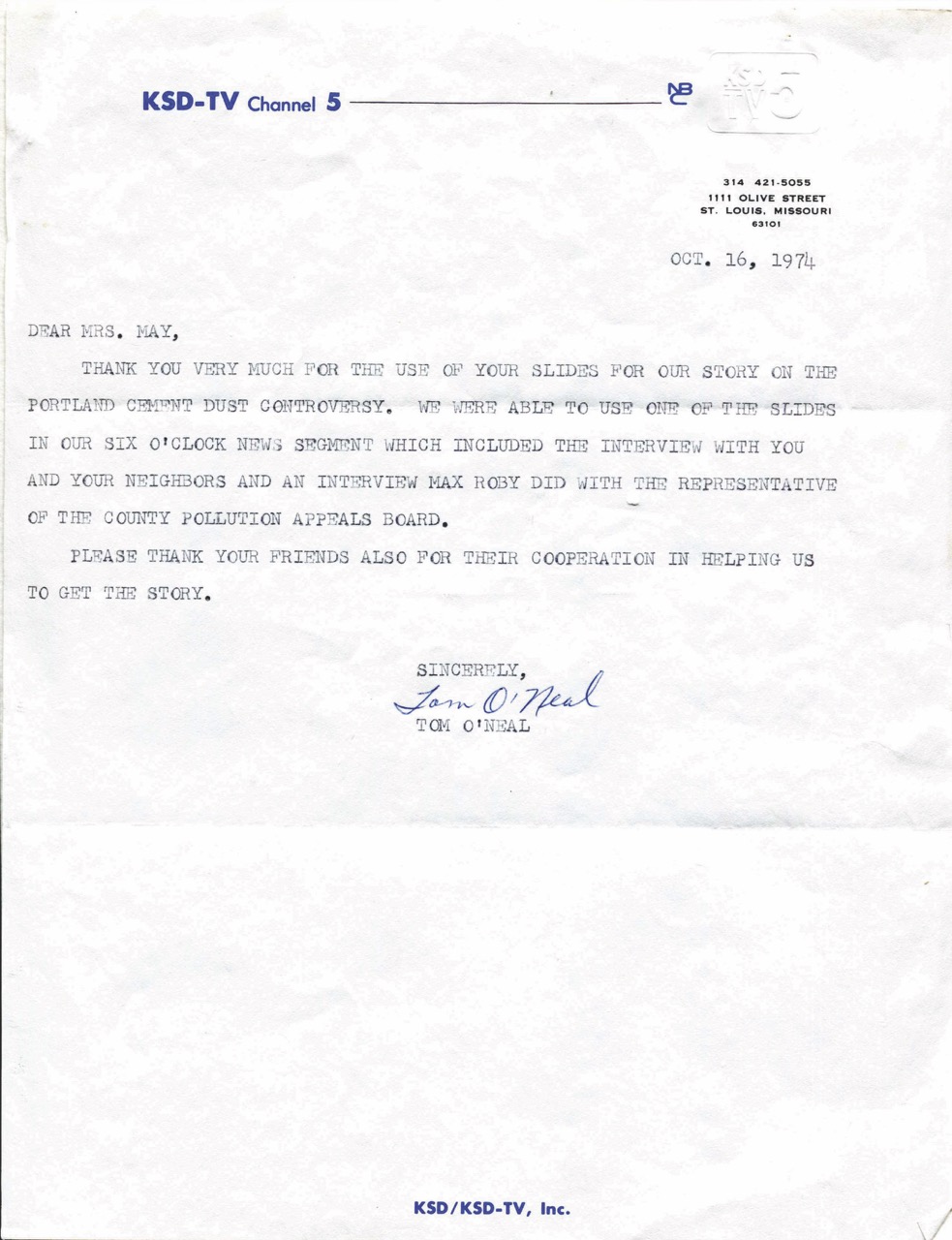
Everytime I talk with experts and community stakeholders, I ask about their perspectives on Cementland, the abandoned factory space. What effect could an outdoor City Museum have on the area? And is there anything else that could be done with that property instead? Before we started recording, you mentioned that you haven't heard of the Cementland project before, but you've often driven by that vacant factory property on Riverview Drive?
Jon Flakes:
I know exactly where it’s at, yeah. It was dead by the time we moved [the church] out there in 2005. To get to certain places, we would drive through and see that place. I always wondered what was there cause it was so huge.
Now here's the thing. Looking at the political landscape that we're under right now, with this attack on our democracy, The Riverview Gardens neighborhood has to get prepared in some way to address what's going on today, for their future. City Museum, as great as that sounds—that’s more of an attraction where people come and pay us a nominal fee to attend.
We could put something there that gives a person some type of training that they can use: carpentry, electrician. Now there's gonna be robotics and AI, and all that stuff will be good, but it’s like in that one commercial: when a water pipe busted in the guy’s yard they said, “Ain’t no robot coming to repair that; you need us.” So that is something that I would like to see: an opportunity for the people in the African American neighborhood that's already depressed from a system that takes away and doesn’t add.
There's no community center there. If you want to reduce some of the crime, young people need something to do and a place to go, and they need a way to get there. If you're asking me, I would want something that would enhance that, something that would get to these young kids. We need to get to them while the getting is good, however that looks—whether that's a community center or a place they can go and enjoy.
When I was coming up, we had so many community centers. When I was a kid in Pruitt and Igoe, it consisted of 33 high-rise buildings with 12 floors and three sections, two on the end and one in the middle. So to play with kids, you didn't have to look nowhere: they were there. And it kept us from mischief and getting into things, because you had a lot of kids, a lot of games. In each building, there was some type of way to play: basketball courts, baseball diamonds that were community centers that butted right up to the buildings. They had swimming; they had volleyball—they had things to do. And it wasn't until those things started disappearing that you started seeing the rise in crime.
And the same is in North County: no resources. The closest community center is in Dellwood. The transit transportation through the Metro is bad, for lack of a better word. I don't wanna say horrible, because I do see the buses come, but sometimes they are far and few between after certain hours. I've talked to some of the transit people, and that's cause they're getting rocks thrown and bullets shot at them at night, so they don't want to take the route. Again, it's all because of the system failing, and these are the results of it. So another City Museum out in that area would be great, but that doesn't help them economically.
Danya Gerasimova:
That's a great answer. I really appreciate you taking the time to talk about this with me. Is there anything you would like to share that I haven't asked about?
Jon Flakes:
I've been doing this for 20 years, and there's a lot of history that comes with it that I couldn't share with you. But I've watched our pantry grow from kittens to where we are today. During the pandemic, we surged when others were settling down because I wasn't saying no to picking up food [from grocery stores], because other pantries couldn't go get it. I understand that [the St. Louis Area Foodbank and Operation Food Search] established relationships with grocery stores in order for us to pick up [the food]. The grocery stores set everything aside waiting for us to come pick up, when they normally was throwing it in the dumpsters. So I always try to go and get it, because I know what it means. They want you to come and get it, or they can go back to throwing it away.
There's so much food waste in America today that it’s sickening, and I've seen it just on my little scope of grocery stores we pick up from. I've seen carts of food being thrown in the dumpster. Meat being thrown away because it's got one day past the "Best if Used By” date, which is often confused with expiration. And that's not the case. We have to study those things, so I know what I'm talking about when it comes to that. That's just the best date that is the freshest, but if people see food go one day past that day, they ain’t buying it. So we get a lot of that. We get a lot of food getting thrown away.
I would love to see more stores rely on us to know what we're doing. We have two ServSafe certified people that have been trained on how to handle food. The Health Department comes and inspects us every two years, and the State of Missouri every five years. We have to be in compliance with all of that. Under the Bill Clinton administration, they passed a law called the Bill Emerson Good Samaritan Act. [It made it so that] once we get food as a 501(c)(3), the stores are no longer held negligent for anything that we give out. Can't nobody come back and sue them. People don't know that. Currently, some of the grocery store managers don't know. So to see carts filled with food thrown away, it crushes me. I would hope that the Foodbank, Operation Food Search, and anybody that's in the hunger fighting business would just try to get that information out more, so that we could get more of that food to distribute.
.jpeg)