Interview with Steve and Phyllis Paro, 2025
This work is licensed under CC BY-NC 4.0


You may adapt, copy, and redistribute this material in any medium or format for noncommercial purposes, but you must credit the contributor(s) and Cementland Archive, include the above license information, and indicate if changes were made.

NO ALTERATION
11.26.25
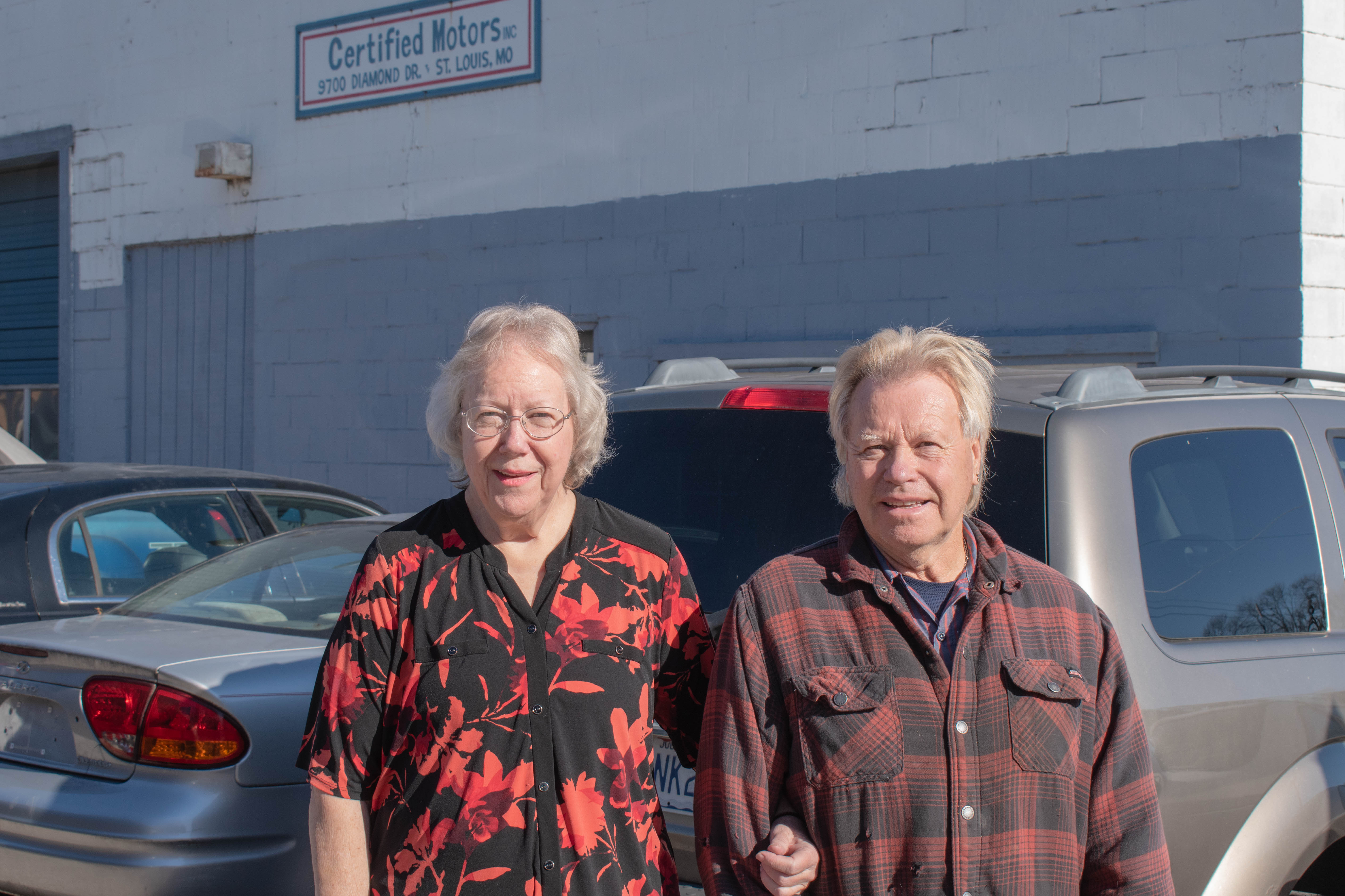
Certified Motors auto repair shop in Riverview, MO
Conversation with Danya Gerasimova
Edited by Danya Gerasimova
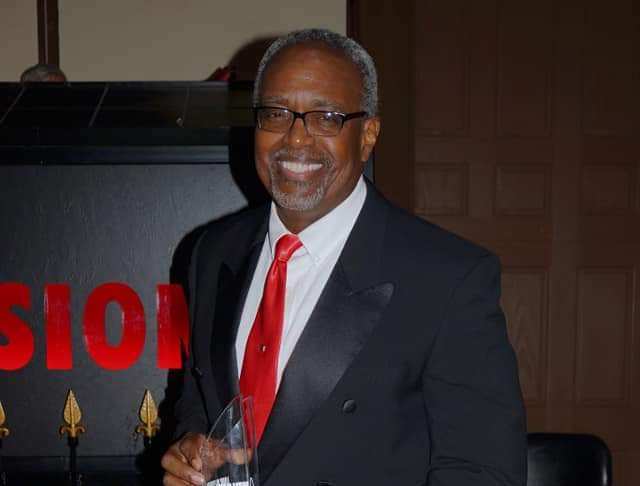
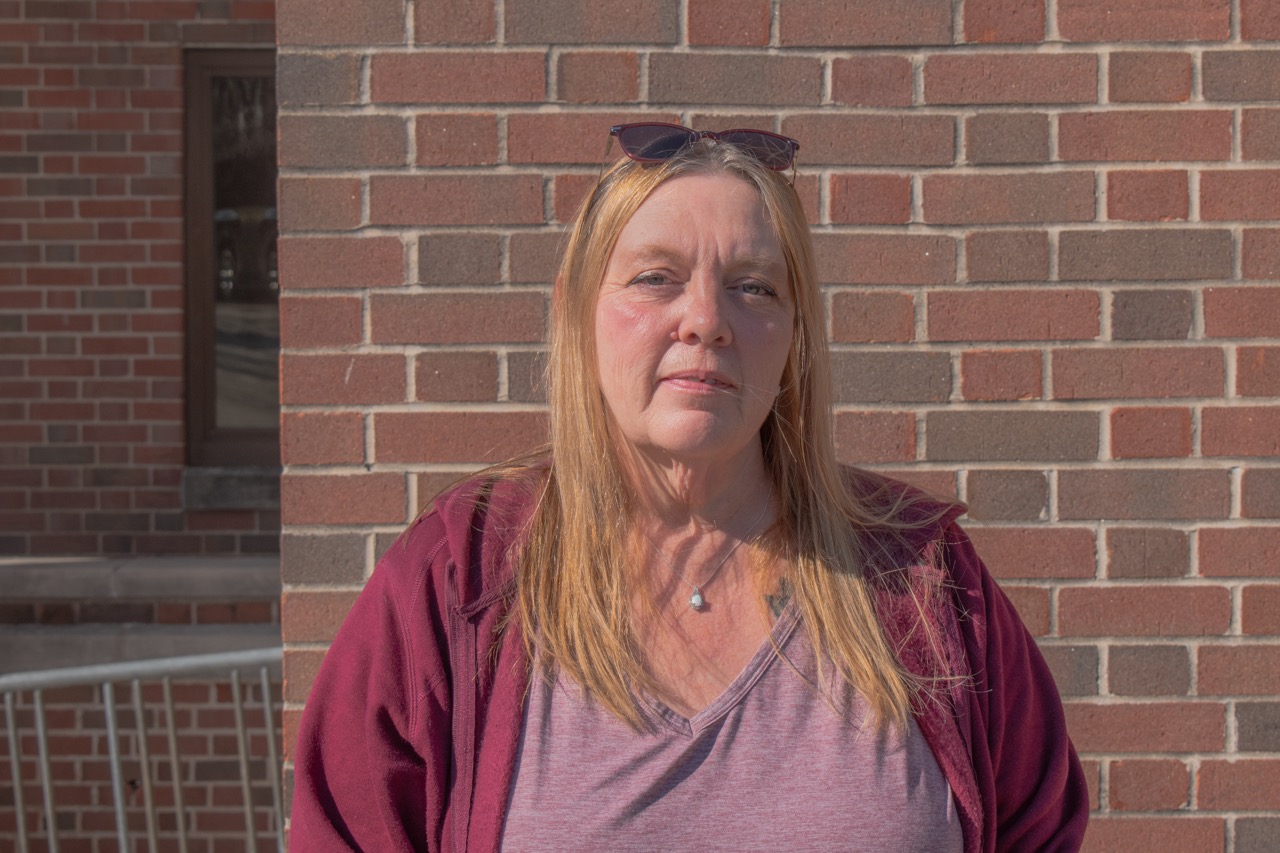
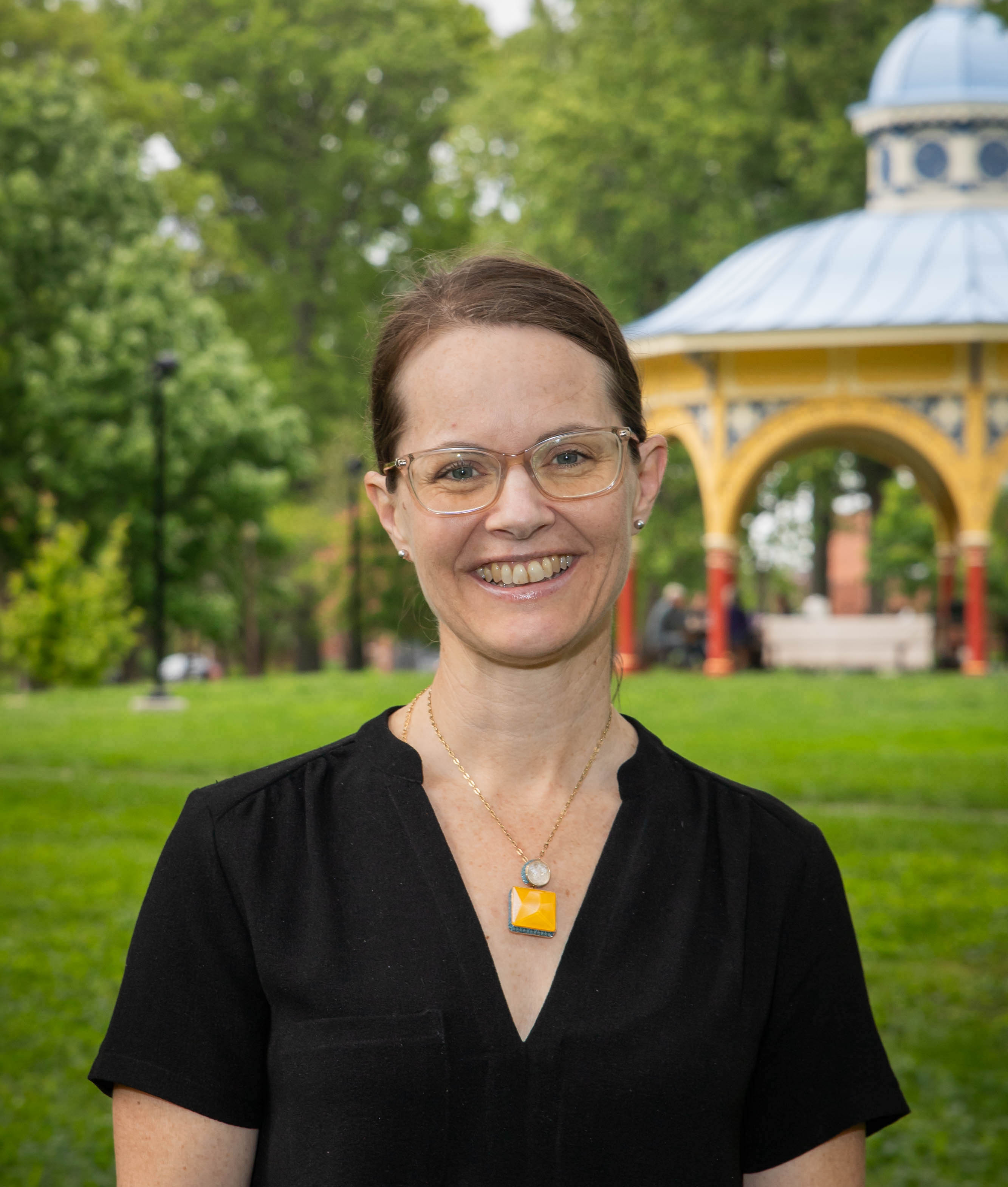
Steve Paro and his sister in law Phyllis Paro are residents of the City of Riverview near Cementland and owners of Certified Motors, an auto repair shop in Riverview. Steve Paro is the former Chariman of the Riverview Board of Trustees. Phyllis Paro is a former member of the Board as well as the former Riverview Chief of Police.
Danya Gerasimova:
How long has your family been in Riverview?
Steve Paro:
Our family has been here for a long, long time. The Village of Riverview was started in 1950. But before that, this was all open ground, and people would come up here and build summer resort houses. As time went on, it started getting more populated.
My mom's dad was born in Baden in 1901. He had two older brothers and three older sisters, and their mother was from Germany. When our grandfather was two years old, she took the three older daughters she liked so much and went back to Germany, leaving those three little boys to live in Baden. Their father was nothing but an alcoholic, so they say those three little boys were just running wild.
When our grandfather was a small child, a family that ran a farm in the Black Jack area adopted him or had him come live with them. They farmed for a long time, until our grandfather got to be about 15. And then in 1916, when he was 15, he went to hire out down at the [Missouri] Portland Cement factory. That was a really booming business at the time. He worked there for 40 years, and towards the last 10 years, he was a foreman. They retired our grandfather when he was 62. He would've still kept on working. He really loved his job down there.
Danya Gerasimova:
Do you know if at the time your grandfather worked at the cement factory, the workers there were unionized?
Steve Paro:
I don't believe they were unionized, to tell you the truth. When our grandfather started working there, he had to work six or seven days a week, and I think he made $15 a week back then.
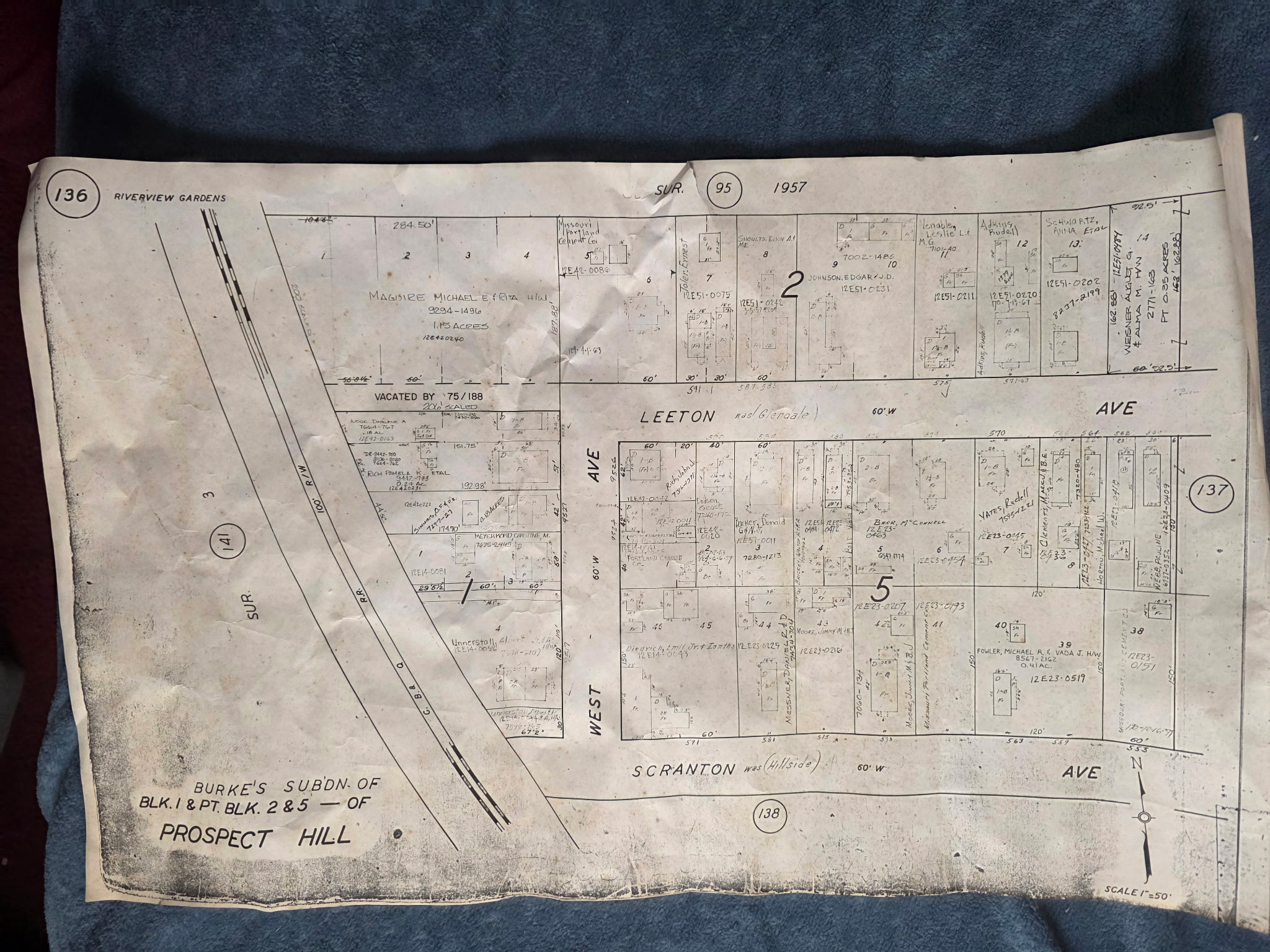
Then he married our grandma, and they were living by the factory on West Way off of Scranton Ave in a four family flat. Our mom was born down there in 1924. I think that four family flat was later torn down.
Our other grandfather's name was Leo Paro. He bought this store building across the street in 1927. He paid $1,000 for it when he bought it. Then he kept adding on to it, and he had a booming grocery business. He sold groceries, clothes, shoes, Christmas trees. He even had a gas pump out in the front. As time went on, he added a little tavern with a player piano. He had a regular booming business.
During the Depression, when people were going through bad times, he kept everybody in this whole community up on credit. I don't know how he managed that. When he passed away in 1956, our grandmother went around from house to house trying to collect store bills, and nobody could remember ever getting any food there. But he ran a good store, and I guess he was quite a smart businessman.
In 1945, when my grandfather was still running his store, he asked our dad what he wanted to do for his profession. And our dad said he wanted to be a mechanic. So our grandfather had this shop built, and they opened it up in 1946. This place has been open for almost 80 years.
Our City Hall was incorporated in 1950. There was a wooden shack where the Police Department and the City Hall were run. We just had one lady who was the secretary, and she took care of all the paperwork. From the middle 1950s all the way up to the early 1960s, we had a police chief and one part-time police officer. And after nine o'clock at night, we didn't have any police protection. You didn't need any. We didn’t have air conditioning, so in the summertime we never closed the back door. I don't think anybody even had a key for their back door. Nobody ever locked anything. It was a safe place to be in. Nobody was stealing or robbing like nowadays.
This was a booming little town once upon a time. At the end of the '50s and first part of the '60s, this neighborhood was really populating. They were putting quite a few fairly affordable homes in different areas around this neighborhood. We had everything except for a bowling alley. We had an ice cream shop, a sandwich shop, and convenience stores—we called them confectionaries. We had a liquor store here and a couple of little taverns. We had a lot of beauty shops, barber shops, and gas stations all over. We had an A&P grocery store on Chambers Rd and Toelle Ln, and a butcher shop and Boxie Cleaners in the same area. You almost didn't have to leave.
Danya Gerasimova:
Do you know if that cul-de-sac of Leeton, Scranton, and West where your grandfather lived was originally built as a sort of company town for the Missouri Portland Cement factory?
Steve Paro:
I think a lot of the property along there was owned by the Portland Cement factory. And the people that worked there rented it, I guess. That's what our grandfather did. And my mom used to say that there were churches, houses, and a grocery store built along the part of Lilac Dr. where that MSD landfill is now. There were a lot more houses down there than there are now, almost like a little town all of its own. And I guess everybody that was down there worked at the cement factory. But as time went on, they tore everything down.
Danya Gerasimova:
Do you know where exactly the church and the grocery store would've been?
Steve Paro:
I don't know. There was a grocery store right there on West and Scranton Ave called Dietrich's Market. And I know there was another one on Leeton Ave, but I'm not familiar with that one.
Danya Gerasimova:
Former Bellefontaine Neighbors residents Cindy and Darrell May who gave me your contact information said you told them about a Black only school that used to be near that area.
Steve Paro:
Yes, there was one. They called it Turner. Maclan Industries is there now, right on Lilac Dr past Leeton Ave. The building is still there, but they refurbished it. Only Black kids were allowed to go there. They weren't allowed to go to the public school, which I never did understand.
Danya Gerasimova:
Do you remember what the building used to look like?
Steve Paro:
It looked like a little schoolhouse, not a church or anything. It was a little square building with a lot of windows in it. I think it was white with black trim. I don’t think there was anybody going to school there in my lifetime, so it must have been during the time the cement plant was first established.
Danya Gerasimova:
How did you find out it was a Black only school?
Steve Paro:
From my mom. I think a lot of Black folks worked at the Portland Cement factory. There was a Black gentleman that worked down there, and my mom said her dad used to call him No Nose Johnny, because he had contracted a sexual disease that ate his nose off. Looking for love in all the wrong places or something [laughs]. The reason why I mentioned that is because that shows you that there were Black people working there. Later on, a lot of Black people lived down on Leeton Ave. There must have been a lot who lived down there, or they wouldn’t have had that school there.
Danya Gerasimova:
I'm surprised to hear you say that there were a lot of Black folks living on Leeton, because former Bellefontaine Neighbors residents say that at least their neighborhoods were pretty much all white.
Steve Paro:
They were.
Danya Gerasimova:
Were there more Black residents in Riverview?
Steve Paro:
I don't think so. It was pretty white populated here. There were just a few that I can remember that lived down there on Leeton Ave and Scranton Ave. But here, I can't think of any Black people.
And we've always been friendly. We've had a lot of Black friends over the years, and our dad has even hired some to help work here in the past. And with our business open for almost 80 years, we've had a lot of Black people come here who were exceptionally nice people.
Danya Gerasimova:
Has your grandfather told you anything about his work at the factory?
Steve Paro:
I'm not sure what all he did there, to be honest with you. The only thing he would ever say is that he would work in some areas where you couldn't stay for even five minutes, because they put the shale in some furnace there to break it down or something. And that's all that he really ever said. I just know he was a foreman for about 10 years. And then the last year or so of his time down there, they decided to demote him. I guess they put him in a store room, wherever they would get products out of. Losing his status as the foreman really floored our grandmother, so she had to start hitting the wine bottles. She was totally against drinking until that happened.
Our grandmother was a Hilton. That was her last name. But she was on the poor side of the Hiltons. And it's a shame, because she had a rich person's attitude. There used to be a furniture store in Baden, and she owed that store for 40 years because she was constantly house fixing and remodeling.
But he was quite a character himself. He would put on a white shirt, dress pants, and a hat, and our grandma would drive him down to the cement plant. And then he'd go and put his work clothes on there and work all day. Then he'd take a shower, put all his dress clothes on, and come right back home. It was just a few blocks. I don't know why he went through all that, but that was just his personality. For quite a while, they used to live in the house where Phyllis lives now.
Danya Gerasimova:
Phyllis, what street do you live on?
Phyllis Paro:
Midridge Dr. I'm on the left as you go down, and it's got peach colored shutters.
Steve Paro:
And I live right here on Bluff Dr, the third house down. My house has a wrought iron fence in the front. It's the only one on the whole street. My mom used to say, “Are you building a cemetery there or something?”
My grandfather moved around quite a bit across different houses, but he always lived in this neighborhood. It was a nice little place to live. We used to know everybody on every street. I don't know if you're familiar with the Andy Griffith show, but everybody called our town Mayberry. And it really was like that. Everybody was friends with everybody, and it was a nice, safe place to be.
Our town is not like it used to be, because during the urban sprawl, everybody headed for St. Charles. A lot of people left, which was a problem. When a lot of the residents leave, it closes up the churches. We used to go to a church called St. Catherine’s for over 50 years, and then it finally closed because a lot of the population moved away or passed away.
Phyllis Paro:
I still like living here.
Steve Paro:
I do too. I was born in 1953 at my mom's house, so I've been here 72 years. And we still own her house. It's just sitting there empty. We call it the Shrine House, because my brother Mike and I took care of it. He recently passed.
Our family has a crazy idea that we’ve got to keep the stuff that our passed on relatives have had. We still have our grandfather's house in Baden. We still have the house two doors up, and Phyllis is the proud owner of that one. Our family still owns this property here. And we still own that old store building [across the street]. So we own about six pieces of property in Riverview. And we plan on keeping them. We plan on staying here until the end times come.
Our whole family was involved in this little garage here. Our dad, our mom, and my brother and Phyllis's husband, Mike. And we have an older brother. He was here at that time too. So our whole family was running our business.
Phyllis Paro:
Anything Michael touched, it was magic. When he passed away, you would not believe how many people came to the wake.
Steve Paro:
He was very talented. He's been gone since February of this year, but people are still calling and asking for him. He must've been Mr. Superhero or something, and he must've taken care of hundreds and hundreds of people. He was an amazing mechanic.
Phyllis Paro:
I grew up in the city, and I was about 16 when I moved out here and fell in love with Michael. We got married two years later. We have such a beautiful home, and we paid $10,000 for it. And my daughter is still staying here. She is 42, and she is following in his footsteps. She's very handy and very helpful to me. She has no intention of leaving. Even if I pass, I think she'll still stay. She's fearless.
Steve Paro:
She lives two blocks up the street.
Danya Gerasimova:
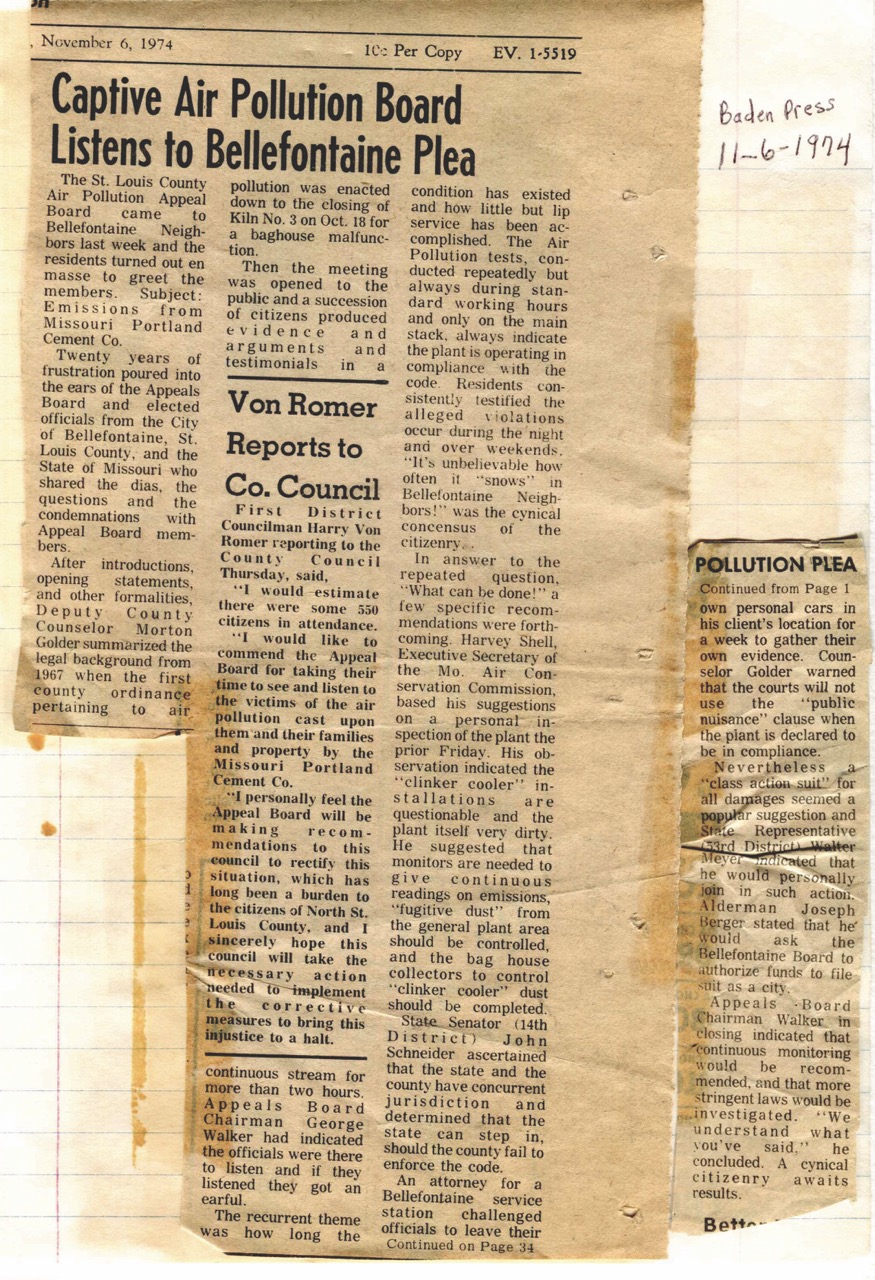
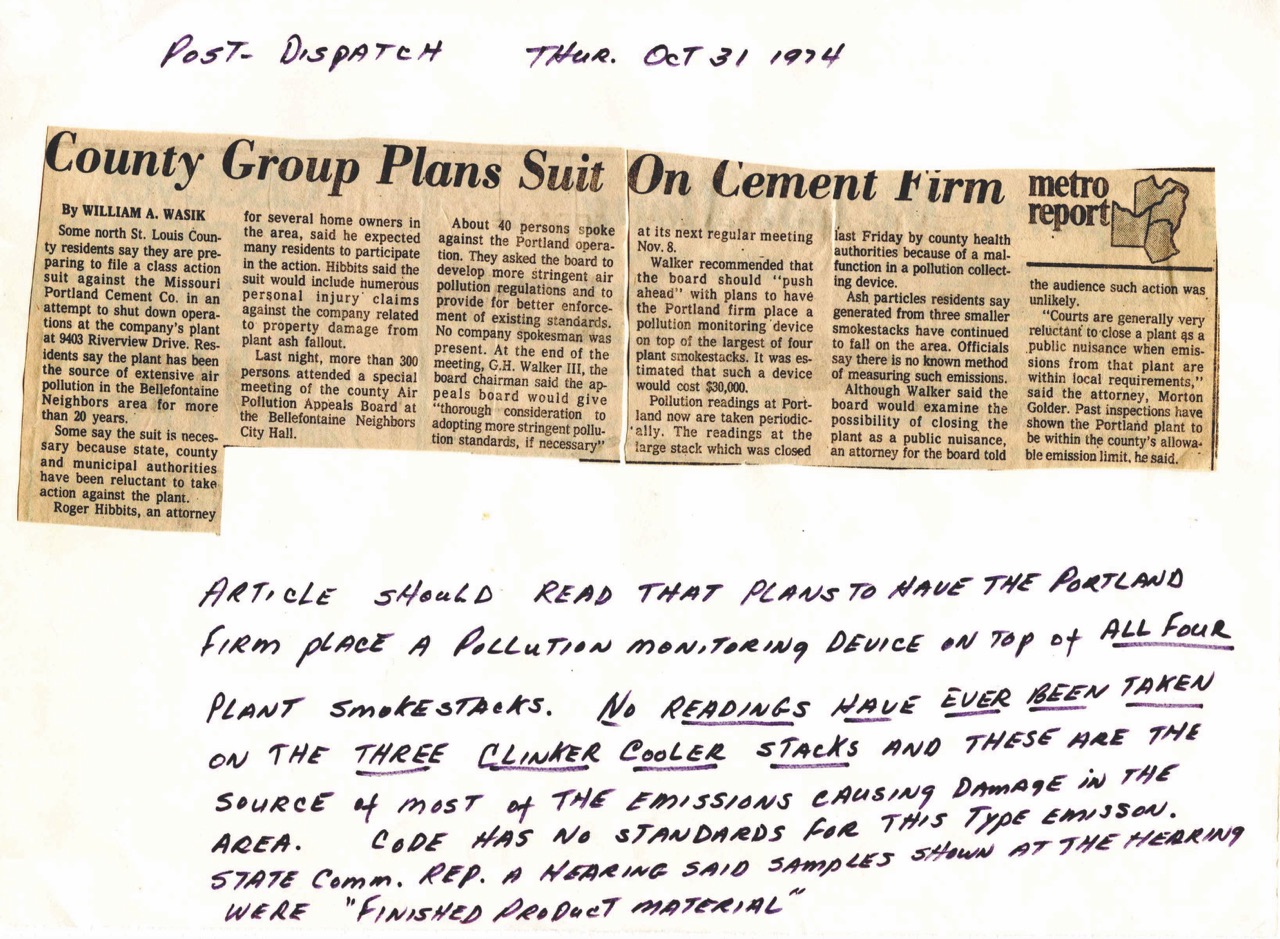
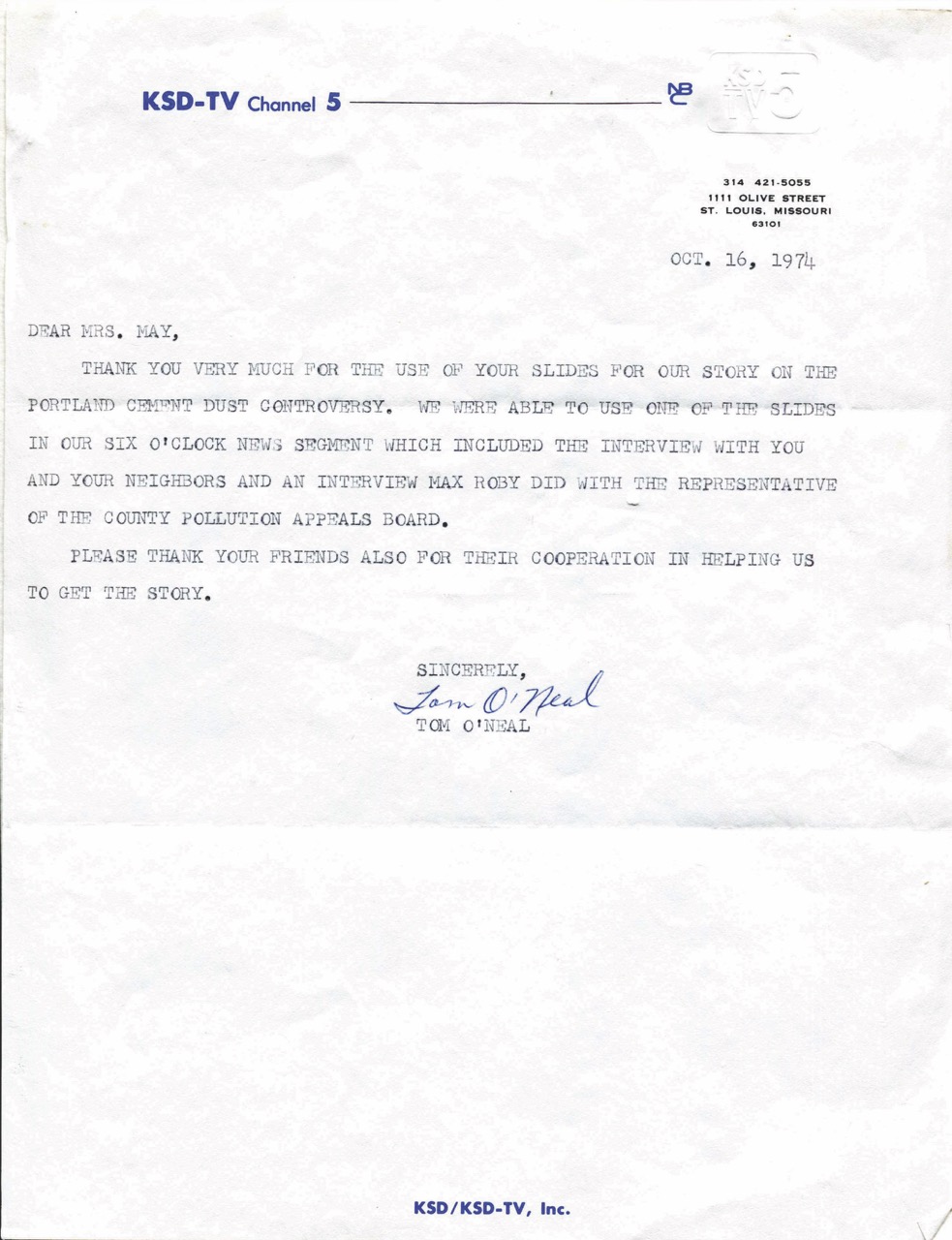
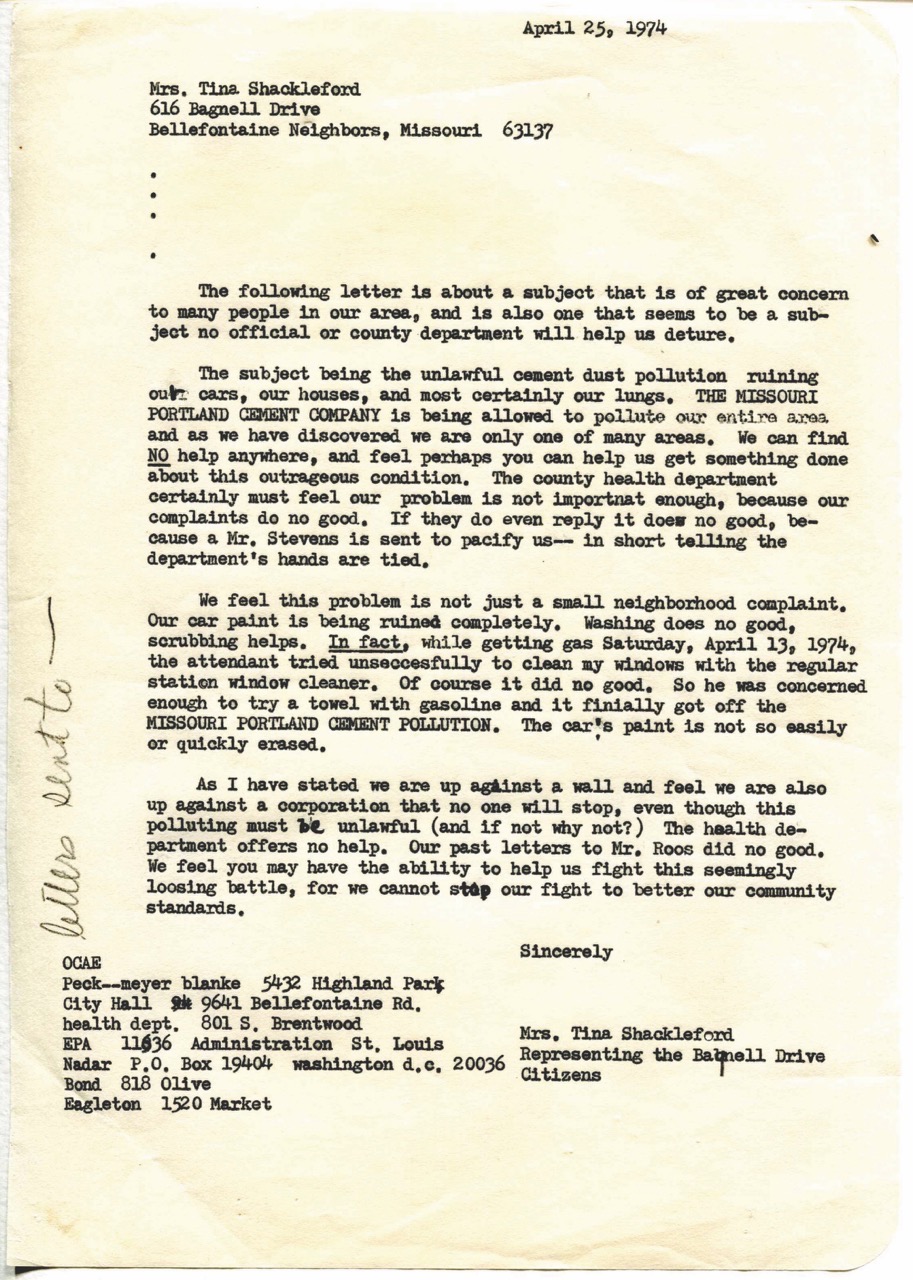
Do you remember folks here participating in a campaign against pollution from the factory in the 1970s?
Steve Paro:
No, I don’t. I knew people were up in arms about it, but I don't remember anybody ever saying they wanted to do something to close it down. I didn't know Mrs. May was involved.
At nighttime, they would send out residue out of the stacks. Up here it would coat some, but over where Cindy May lived, it just destroyed their cars. It was like a cement coat on them. A lot of cars would come up here, because once upon a time, we had gas pumps out in the front. The cars would come up, and you could see that wherever the windshield wipers would go was the only clear place on all the glass on the car. The cement dust just ate up everything. A lot of the time it looked like snow sprinkling down at nighttime. In the morning, the dew would get on it, and then it would make a cement overcoat on your nice new car. But over where Cindy lived, it was the worst.
Our grandfather said they could have taken care of that problem. They could have put some big filters on those stacks. They didn't want to be bothered with it or it was too costly. So it destroyed everybody's cars and houses.
Danya Gerasimova:
The factory closed down in 1981. Do you remember any talk in the neighborhood when it closed?
Steve Paro:
Oh, everybody was thrilled about that because cement dust wasn't coming down and eating up their new cars. And when they used to blast the quarry, this whole town would rock. On the other side of Lilac, there is a big hill. MSD owns it now. Every Monday or Tuesday morning, they used to blast dynamite there to blow up the shale. Then they brought it to the cement factory on a railroad car across Lilac Dr. So this whole town would shake like you were living in Los Angeles every Monday or Tuesday.
Danya Gerasimova:
Do you know about the CertainTeed asbestos factory that was located near the Missouri Portland Cement plant?
Phyllis Paro:
It's in the back, I think.
Steve Paro:
Yeah.
Danya Gerasimova:
Have folks talked or complained about that factory too?
Steve Paro:
Not too much about that. Our dad worked there before he opened this business. They called it the Shingle Plant. They had all kinds of asbestos stuff. Over the years, nobody thought anything of it.
Danya Gerasimova:
Many of the people I talked to who had lived in the area around those factories link their families' health issues to either the Missouri Portland Cement factory or CertainTeed. If you don't mind sharing, do you connect any health concerns in your family to those factories?
Steve Paro:
We've never had any family members have any illnesses from that. Our family is all strictly hard people. We’ve got bad tickers when you get over a certain age, but none of our family members have ever had cancer or anything like that. Our grandfather lived to be close to 90, and he worked there since he was 15 years old for 40 years. He lived down there too. And he didn't have any issues at all. He never went to a doctor or anything. My mom used to say, "Nature will provide."
Danya Gerasimova:
In the '80s and '90s, did the factory and quarry sit vacant?
Steve Paro:
It just stayed there. When it closed down, people used it as a dumping ground. Which is a shame, because that crumbs up the neighborhood.
Phyllis Paro:
It's a mess now too.
Danya Gerasimova:
Is dumping a big issue here?
Steve Paro:
It's been a terrible issue.
Phyllis Paro:
Especially down on Scranton Ave.
Steve Paro:
Scranton has been awful. I've even seen it when people had just dumped off a truckload in the middle of the road. It was just awful down there. I think the mayor got it pretty well kept and cleaned up though.
Danya Gerasimova:
When did you get involved with the Riverview Board of Trustees?
Steve Paro:
I was the Chairman. I was on the Board for 24 years. When I ran for the Board in 1999, I had the most votes out of the whole town, because our family dealt with everyone, and everybody knew us in this community. I think I had almost 400 votes, which was more than anybody has ever had here at one time. Years later, Phyllis ran, and she was a board member. And she was also the head of the police department. How long were you doing that, Phyllis? About four or five years?
Phyllis Paro:
At least. But they didn't take too kindly to a woman.
Steve Paro:
Our family has been involved in a lot of things, but we got voted out as time went on. We used to do a tradition that went on for over 50 years. People from the City Hall would dress up as Santa Claus and go around giving out candy. So when I got to be the Chairperson, I was the Santa Claus. I have an outfit and everything. Phyllis's husband, Mike, would drive us around in the back of a truck, and we'd give out candy to everybody on every street. If that wasn't the neatest tradition!
Phyllis Paro:
I was Mrs. Claus. When I moved out here with my family, there were a lot of kids. You'd have six kids in a house, and we had a lot of houses. I lived on a dead end street, and we probably had 30 kids on that short dead end street alone.
Steve Paro:
And that's what made that going around for Christmas fun. Especially early on, when I was first voted in, because almost every house still had kids in it. And we went around every street handing out candy, coloring books, and all kinds of things. That's what Christmas is all about. Those were some fun days. They don't do that at the City Hall anymore since the different people got in.
Danya Gerasimova:
Do you remember the Cementland project in the 2000s?
Steve Paro:
What Cassilly was going to do? Just a little bit. He used to bring down models. He had a lot of big ideas, and he would always make them work. I don't remember what all he brought down, because it's been quite a while since I've been at the City Hall and since he's been gone too.
Danya Gerasimova:
I've heard from members of Bob Cassilly's crew that the Riverview Police Department used one of the buildings at Cementland as a shooting range. Do you remember anything about that?
Steve Paro:
Phyllis, Mike, and I went down there. They let us use that building so we could get our license.
Phyllis Paro:
Oh, now I remember.
Steve Paro:
The police department would go down there. I think they had to do a certain amount of weapons use to get their license.
Danya Gerasimova:
Do you remember which building that was in?
Steve Paro:
It looked like a big cave. Right when you went in, past the office or something? I don't really remember because it's been quite some time. We did that on a Sunday. We went through a whole day's class down at City Hall with one of the police officers. And then before the end of the day, he took us down there, and we got to do our shooting to pass the test.
Phyllis Paro:
Yeah, and I think we had some book work too. Now you don't need it. You can carry anyways, I guess.
Danya Gerasimova:
People who worked with Bob Cassilly say he would bump heads a lot with local authorities and wasn't always good at communication. Have you ever been at odds with him over anything?
Steve Paro:
I didn't have any odds with him at all. I guess sometimes we would look at what he had going on and think, "How could that be possible?" or "Where do you come up with that stuff?" But he was a person who always made it work, so we had really high hopes for him. He was a pretty energetic guy. I figured there was nothing impossible for him to do, because he had already done some amazing things. Like at City Museum, where you got the bus on the roof. Who thought of that one? I'm afraid to even get in that bus.
Phyllis Paro:
Yeah. I really thought that it was going to boom. I really thought he was going to make another City Museum here.
Steve Paro:
We thought it was going to enhance our town and bring everybody back here again. A lot of people think that about the Zoo in Spanish Lake, but I don't think it's going to do anything for up here.
Phyllis Paro:
Yeah, my daughter said it won't.
Danya Gerasimova:
Why not?
Steve Paro:
It's too far away. And I don't think it’s a plan that's going to enhance the area like a regular zoo would. That's just my opinion. I don't know how it's going to work out down there.
Phyllis Paro:
Yeah, it's probably just for the animals being tended to.
Steve Paro:
I think so. I don't think it's going to do anything for our neighborhood. But if somebody started tearing down some of these old houses and building some new ones, this would be a nice little place to live. It's pretty in the spring and in the fall with all the trees.
Danya Gerasimova:
Have you ever worked with the Chain of Rocks Community Association?
Steve Paro:
CORCA? I have friends who have belonged to that. I know a couple people who do right now. That's a good organization. They're trying to keep things in the City cleaned up.
Danya Gerasimova:
Do they only work on the City side?
Steve Paro:
They do. They don't do it for our village.
Danya Gerasimova:
Does the City / County boundary play a role in your day to day life? Do Riverview and the adjoining parts of St. Louis City feel like one community or two separate ones?
Steve Paro:
I feel like it's part of us. I really do. That's an access point for us to get to one place or another. I feel like it’s part of our community, even though I know that the City boundary is there. And I know Riverview Drive is owned by St. Louis County and is considered a highway there. Our Lilac Dr. is a County highway too, and so is Chambers Rd. That's all owned by St. Louis County, even though it's in our community.
Adrian Dr and Bluff Dr are blocked off though, so you can't go to the City that way anymore. That's because there were people coming from Illinois selling drugs. So that eliminated a lot of that problem. And dumping. Dumping has been terrible.
Danya Gerasimova:
Do you know of the organization called A Red Circle? They run a community garden and farmers market at the Zion Travelers Church.
Steve Paro:
I don’t know A Red Circle. Is that on Chambers?
Danya Gerasimova:
Yeah.
Steve Paro:
Oh, the old St. Catherine's church. That's the church we used to go to. It used to be a big brick building that faced the other side of Diamond Dr. That was a school, and at the very top of the school was the church. Our dad would take us to church every Sunday.
Phyllis Paro:
Long ago, they hired me at St. Catherine’s to teach all the kids the computers. And then they closed it.
Steve Paro:
That church and the school closing really hurt our neighborhood. That really was the hub of the whole neighborhood. Many years ago, people would have big summer picnics up there, and they were constantly doing dances and all kinds of stuff. That was the glue that kept the old neighborhood together. It seemed like when people were moving and the church closed, that really scrambled our neighborhood. We have a lot of empty houses in Riverview.
Danya Gerasimova:
When did a lot of folks start leaving the neighborhood?
Steve Paro:
Probably after around 2001.
Danya Gerasimova:
Have you ever considered moving like many of your peers did? And why did you choose to stay?
Steve Paro:
When our mom was here, she always used to say this was the best place to live because you could get down both to the City and to Highway 270 really easily. We've always liked it here. We are comfortable here, and we're familiar with it. I have a house three doors down, and I've spent a zillion dollars on it. It's one of the most over-fixed-up houses in Riverview. I've done everything from top to bottom. I like living there, and I don't want to leave it. And I still feel safe here.
Phyllis Paro:
So do I. I've got really good neighbors. They check on us all the time. You can't have it any better.
Steve Paro:
To be honest with you, I think it's safer than most other neighborhoods. We have people that come up and say, "Are you frightened?" or, "We're afraid to come through here." Somebody said, "Is there a lot of robbing and stealing in Riverview?" And I said, "Absolutely not. Who wants to come here and rob poor people?" They go out to St. Charles or West County, where people have money, nice cars, and big houses. There wouldn't be much they could get here.
Phyllis Paro:
I love living here.
Steve Paro:
I do too. Our little town has changed a whole lot, which is sad. But we keep hoping all the time that it will turn around. We plan on staying here for as long as possible. I'd like to stay here forever, until I have to go to the hereafter.